
Nestled on Duluth’s hill above the bustle of downtown and within view of Lake Superior’s sweeping horizon, Kenwood is a neighborhood rich in history, community spirit, and local institutions. From its roots in the late 1800s to its present-day vibrancy, Kenwood’s story is woven with tales of development, resilience, and the quiet pride of its residents. Whether you’re a longtime neighbor or a newcomer eager to learn more, here’s a look at how Kenwood has become one of Duluth’s cherished places to call home.
The Beginnings: Origins of Kenwood
The area now known as Kenwood began as a sedate tract of forest and farmland in the late 19th century, when Duluth itself was still coming into its own as a city. While the precise origin of the neighborhood’s name is up for a bit of discussion among local historians, the most accepted version points to a homage to Kenwood, Chicago—a leafy suburb that inspired a sense of stateliness and natural beauty. Developers in the early 1900s envisioned a Duluth version of this wooded haven, and the name took hold.
Originally, Kenwood was considered somewhat remote. Only a handful of farmhouses dotted what are now busy streets like Kenwood Avenue and Arrowhead Road. The area’s relative isolation gave early residents sweeping views of the lake and a sense of peace, but it also created challenges—roads needed building, basic infrastructure put in place, and access to downtown Duluth was limited.
Growth and Community Formation
The turn of the century brought rapid development. The expansion of streetcar lines up the hill, especially the line running along Kenwood Avenue itself, helped spur suburban growth and made it easier for workers to commute between Kenwood and Duluth’s industrial waterfront.
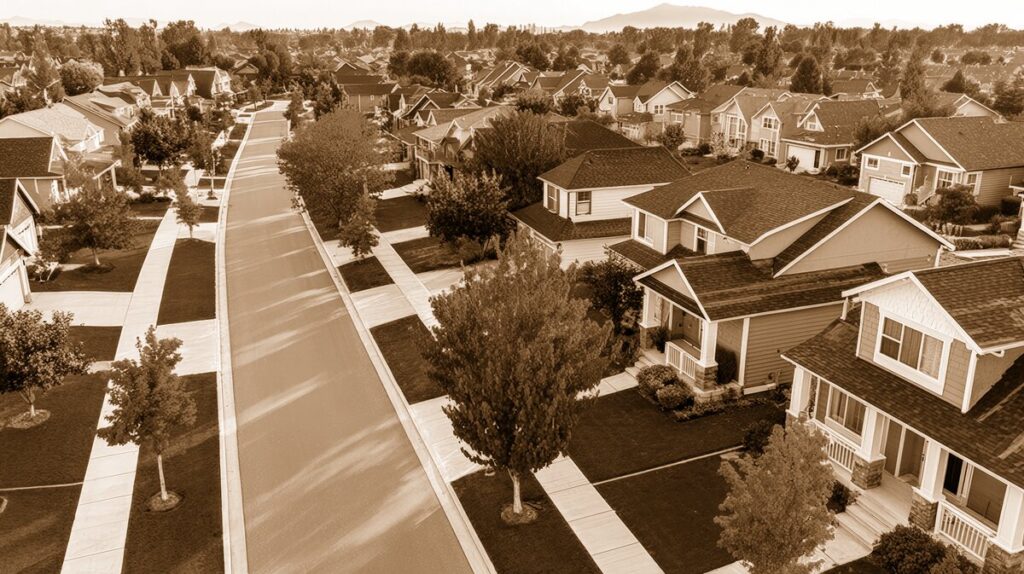
By the 1920s and 1930s, Kenwood’s picturesque landscape attracted families seeking a quieter lifestyle and access to good schools. Side streets such as Oxford Street, College Street, and Austin Street filled with the timeless charm of Craftsman and Colonial homes. Many of these houses stand today, lovingly maintained and treasured by current residents.
Key Institutions and Landmarks
To wander through Kenwood is to walk through a living history book. Over decades, important local institutions have shaped community life:
- Kenwood Elementary School: Opened in the mid-20th century on 15th Avenue East, the elementary school quickly became a cornerstone for neighborhood families. Generations of children have walked its halls, and it remains a symbol of Kenwood’s family-oriented spirit.
- Chester Bowl Park: While technically on the edge of Kenwood, Chester Bowl is integral to neighborhood life. Its ski hill, hiking trails, playground, and annual events like the Fall Fest have made it a beloved gathering place.
- Kenwood Lutheran Church: Located on Kenwood Avenue and established in the mid-1950s, this church has provided more than just spiritual guidance—it has served as a venue for countless community events and celebrations.
- Historic Homes and Apartments: Some of Kenwood’s early buildings, such as the stately homes on Howard Gnesen Road and the red-brick Tudor apartment complexes near College Street, tell stories not only of architectural trends, but also changing times and residents.
The Commercial Heart: Kenwood Avenue
At the center of neighborhood commerce is the small but bustling business district along Kenwood Avenue, near Arrowhead Road. Here, the locally owned Kenwood Super One grocery store has served shoppers for decades, becoming far more than just a place to pick up milk and bread. The nearby Kenwood Plaza, filled with small businesses, cafes, and the iconic Positively 3rd Street Bakery, forms a hub where neighbors meet—sometimes by design, often by delightful chance.
Changes and Challenges: Evolving with the Times
Like many neighborhoods, Kenwood has witnessed—and responded to—significant changes. The postwar era brought an increase in automobile traffic, and Kenwood’s roads were improved and widened to accommodate new residents. The Northland Country Club and other recreational options emerged, further enhancing Kenwood’s appeal to families and retirees alike.
From the 1970s into the 21st century, proximity to the University of Minnesota Duluth and the College of St. Scholastica (just south and east of Kenwood) increasingly attracted students and faculty. Apartment buildings rose along Arrowhead Road and Kenwood Avenue, adding to the neighborhood’s diversity. While there is a gentle tension between preserving historic homes and meeting the needs of a growing population, most Kenwood residents agree that the neighborhood’s inclusive, welcoming feel remains unchanged.
A Neighborhood with Deep Roots
Perhaps what’s most striking about Kenwood is its steady resilience. Through economic ups and downs, population shifts, and changes in city infrastructure, Kenwood has retained a character that mixes old-fashioned friendliness with modern-day convenience. Residents tend lush gardens, walk dogs through nearby Hartley Park, and look out for one another, whether gathering on front porches or at community events.
The voices of past generations aren’t just heard in stories—they’re seen in the careful upkeep of houses, the trees lining the streets (many planted by early residents), and the sense of civic pride that permeates neighborhood meetings and block parties.
Looking Ahead: Kenwood’s Enduring Appeal
Today, Kenwood balances history and modernity in ways that feel entirely natural. Young professionals and families continue to move in, drawn by the quiet streets and community schools, while longtime residents ensure that stories and traditions are passed down. Whether you’re grabbing a coffee at a local shop, sledding down a snowy hill at Chester Bowl, or enjoying the sun in one of the pocket parks, you’re experiencing the best of what Kenwood has offered for more than a century.
In the end, what makes Kenwood special isn’t just its past—it’s the sense of belonging that makes people stay for generations. Those roots, deepened with each passing decade, ensure tomorrow’s Kenwood will be every bit as lively, neighborly, and beloved as the one celebrated in neighborhood lore.